

What Is a Modular Data Center? A Prefabricated Approach to Scalable Infrastructure

What Is a Modular Data Center?
As organizations generate and process more data than ever before, the demand for reliable, scalable infrastructure continues to grow. Traditional construction methods often struggle to keep pace with the speed and flexibility modern businesses require. That is why many companies are turning to modular data center solutions built through industrial prefabrication.
A modular data center is a prefabricated, factory-built infrastructure units that integrate critical components such as power distribution, cooling, networking, and IT equipment into a ready-to-deploy solution. Rather than constructing an entire data center on-site, these systems are manufactured in a controlled environment and delivered ready for installation and commissioning. This approach significantly reduces construction timelines while improving quality and consistency.
From DuFab Manufacturing’s perspective, prefabrication is the foundation of successful modular deployment. By assembling critical electrical and infrastructure systems off-site, projects can progress faster, while minimizing labor challenges, weather delays, and jobsite congestion. DuFab specializes in building engineered modular systems that help clients accelerate deployment schedules without sacrificing reliability or performance.
Modular data centers are gaining traction as they address many of the challenges associated with traditional construction. Instead of waiting years for a new facility to come online, organizations can deploy a prefabricated data center in months. Common modular formats include E-Houses, modular electrical rooms, integrated power centers, and containerized data center configurations that can be installed virtually anywhere capacity is needed.
How Modular Data Centers Are Built
A modular data center consists of several integrated systems working together to support mission-critical operations.
Data Center Components
Power distribution systems.
Cooling infrastructure.
IT and server racks.
Network and communications equipment.
Monitoring and control systems.
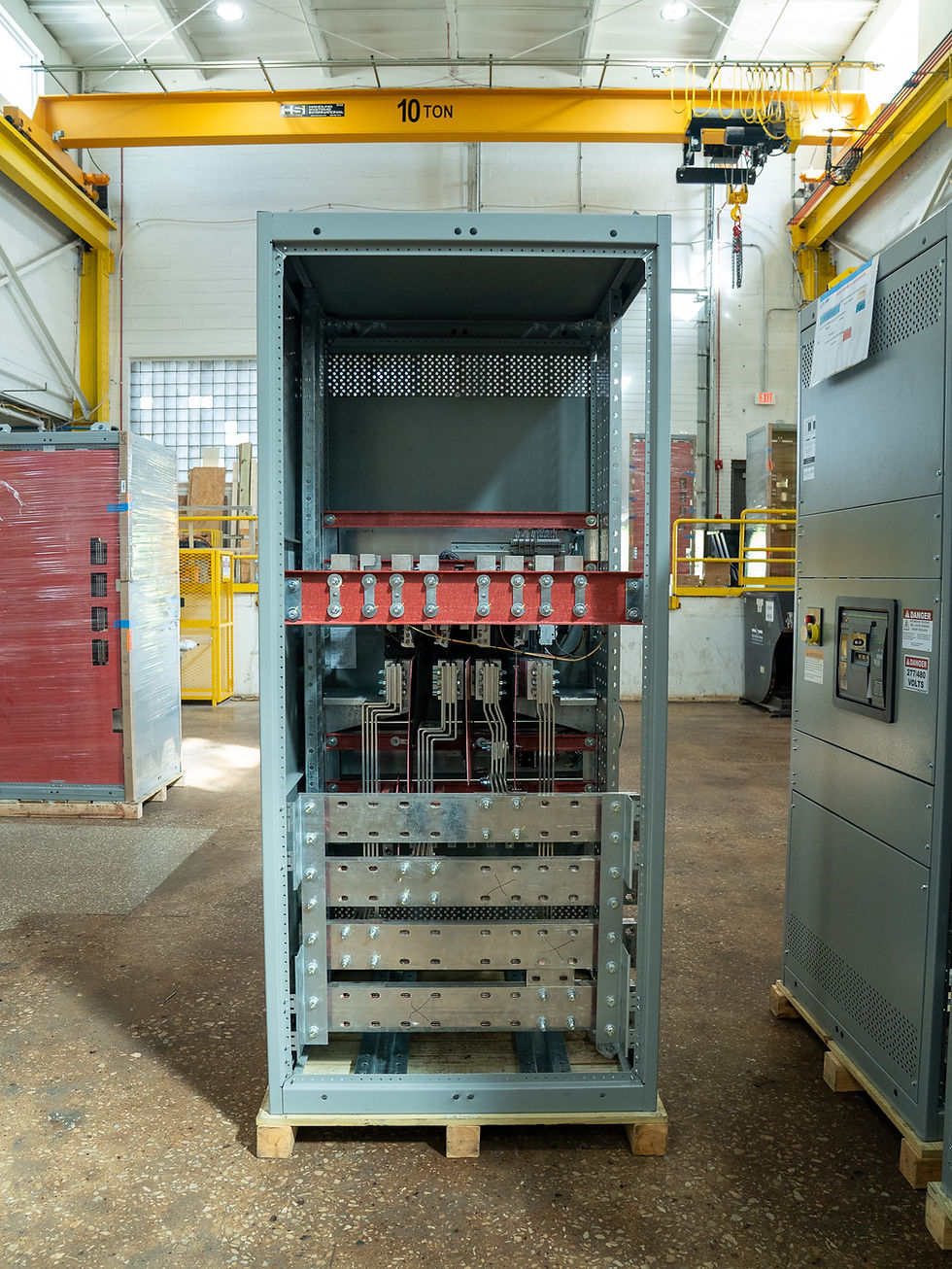
Power infrastructure is often the most critical element of any data center. Modular power distribution systems ensure reliable electrical delivery while supporting future scalability. Components such as switchgear, transformers, power skids, and E-Houses are frequently prefabricated and tested before shipment.
DuFab serves as a critical prefabrication partner by manufacturing electrical infrastructure off-site. We provide modular solutions, such as modular electrical rooms, electrical distribution centers, and custom E-Houses. Through industrial prefabrication, these systems are assembled under controlled conditions where quality assurance and testing can be completed before the equipment ever reaches the jobsite. Prefabrication improves the build process in several ways by reducing costly rework, improving quality control, minimizing labor shortages, reducing jobsite congestion, and accelerating project schedules.
DuFab’s product offerings support these goals through prefab conduit systems, cable trays, electrical distribution systems, and other critical infrastructure assemblies designed to arrive ready for installation. By building these systems off-site, contractors can focus on installation rather than fabrication, resulting in faster project completion and lower risk.
Modular vs Traditional Data Centers
When evaluating infrastructure options, many organizations compare a modular data center with a conventional stick-built facility. Traditional data center construction typically requires extensive site work, sequential trade coordination, and long construction schedules. Depending on project size, a traditional build can take several years to complete.
By contrast, a modular data center allows site preparation and factory fabrication to occur simultaneously. While the site is being prepared, electrical systems, power modules, cooling infrastructure, and other critical components are assembled off-site. This parallel approach dramatically shortens deployment timelines.
Deployment Timeline
Traditional: Often measured in years.
Modular: Frequently measured in months.
Cost Predictability
Traditional: Greater exposure to labor fluctuations and schedule overruns.
Modular: More predictable budgeting through controlled manufacturing.
Scalability
Traditional: Requires significant upfront investment.
Modular: Allows incremental expansion as demand grows.
For organizations facing aggressive growth targets, modular construction can significantly reduce schedule risk. DuFab’s prefabrication approach enables faster deployment while maintaining consistent quality standards. This is particularly valuable for manufacturing facility expansions, new industrial facility construction, edge data center solutions, and large-scale enterprise growth initiatives.
Key Benefits of Modular Data Centers
The growing popularity of modular data center deployments is driven by several significant advantages.
Faster Deployment
One of the most important modular data center benefits is speed as systems are engineered, fabricated, and tested off-site, construction schedules can be dramatically reduced. Multiple project phases occur simultaneously, allowing facilities to become operational much sooner than traditional builds.
Scalability
Organizations rarely know exactly how much future capacity they will require. Modular systems allow capacity to be added incrementally without overbuilding. Additional modules can be deployed as business needs evolve, providing long-term flexibility.
Cost Efficiency
While modular data center cost varies based on project requirements, prefabrication often reduces overall project expenses by minimizing labor, reducing material waste, and limiting schedule-related costs. Controlled manufacturing environments also improve productivity compared to field construction.
Quality and Reliability
Factory-built systems undergo rigorous testing before shipment. Controlled environments eliminate many of the variables associated with outdoor construction, resulting in more consistent quality and improved system reliability.
Risk Mitigation
Prefabrication reduces onsite congestion, minimizes safety risks, and decreases exposure to weather-related delays. These advantages help contractors and facility owners maintain predictable project schedules.
Energy Efficiency
Modern modular systems incorporate optimized cooling and modular power distribution designs that improve energy performance while supporting future expansion requirements.
Modular Data Centers and E-Houses: How They Work Together
A critical component of many modular deployments is the electrical E-House data center approach.
An E-House is a prefabricated centralized electrical distribution hub for power distribution equipment. These structures house switchgear, transformers, controls, automation equipment, and other electrical systems required to support facility operations.
DuFab manufactures custom E-Houses and modular electrical systems designed specifically for mission- critical applications. By integrating power distribution, controls, and supporting infrastructure into a single prefabricated unit, organizations can streamline deployment while reducing construction complexity.
In a modular data center environment, E-Houses provide several advantages, such as centralized electrical distribution, simplified installation, improved quality control, faster commissioning, and enhanced scalability. As these systems are fully assembled and tested before delivery, they support true plug-and-play deployment, allowing projects to move from installation to operation more quickly.
Use Cases for Modular Data Centers
Modular data centers are used across a wide range of industries where speed, flexibility, and reliability are critical.
Industrial Manufacturing Facilities
Modern manufacturing operations rely heavily on automation, analytics, and connected systems. A prefabricated data center enables manufacturers to deploy critical infrastructure quickly while minimizing operational disruptions.
Data-Intensive Operations
Large-scale logistics providers, pharmaceutical manufacturers, food processing facilities, and enterprise organizations require dependable infrastructure to manage growing volumes of data.
Edge Computing Deployments
Edge data center solutions bring computing resources closer to end users and equipment. Modular deployments make it possible to rapidly install capacity where it is needed most.
Remote and Space-Constrained Locations
A containerized data center can provide high-performance infrastructure in locations where traditional construction would be difficult, expensive, or time-consuming.
Across all these applications, organizations benefit from faster speed to market, expansion flexibility, improved reliability, and reduced construction complexity
What Does a Modular Data Center Cost?
The answer depends on several factors, including project size, power requirements, customization, and deployment location. Smaller containerized data center solutions may require significantly less investment than large-scale enterprise facilities with extensive redundancy and cooling requirements.
Major Cost Drivers
Size and computing capacity.
Electrical infrastructure requirements.
Cooling system complexity.
Level of customization.
Geographic deployment location.
Transportation and installation logistics.
While upfront costs vary, it is important to evaluate the total cost of ownership rather than focusing solely on initial capital expenses. Prefabrication often reduces long-term costs by accelerating deployment, minimizing labor requirements, improving quality, and reducing operational risk.
DuFab is a custom solution provider and supports projects ranging from single-unit deployments to large multi-module installations, providing customized solutions designed to meet each client’s operational and budgetary requirements.
Why Work with a Prefabrication Partner Like DuFab
Successful modular deployments depend on selecting the right prefabrication partner. DuFab brings extensive experience in industrial prefabrication, electrical construction, and modular infrastructure solutions. As part of the Dubak Electrical Group, the company combines manufacturing expertise with real-world field experience gained through large-scale industrial and mission-critical projects.
This unique combination allows DuFab to help clients reduce project timelines, improve installation efficiency,
enhance quality control, minimize project risk, and reploy ready-to-install systems. Whether supporting a modular data center, an electrical e house data center project, or advanced modular power distribution infrastructure, DuFab focuses on delivering systems that are engineered, prefabricated, tested, and ready for deployment.
More importantly, DuFab serves as more than a manufacturer. We act as a strategic infrastructure partner, helping clients leverage the benefits of prefabrication to achieve faster schedules, improved reliability, and long-term operational success. As demand for data center infrastructure continues to grow, prefabricated modular solutions will remain one of the most effective ways to deploy scalable, high-performance facilities quickly and efficiently.


Comments