

How Often Should Switchgear Be Tested?
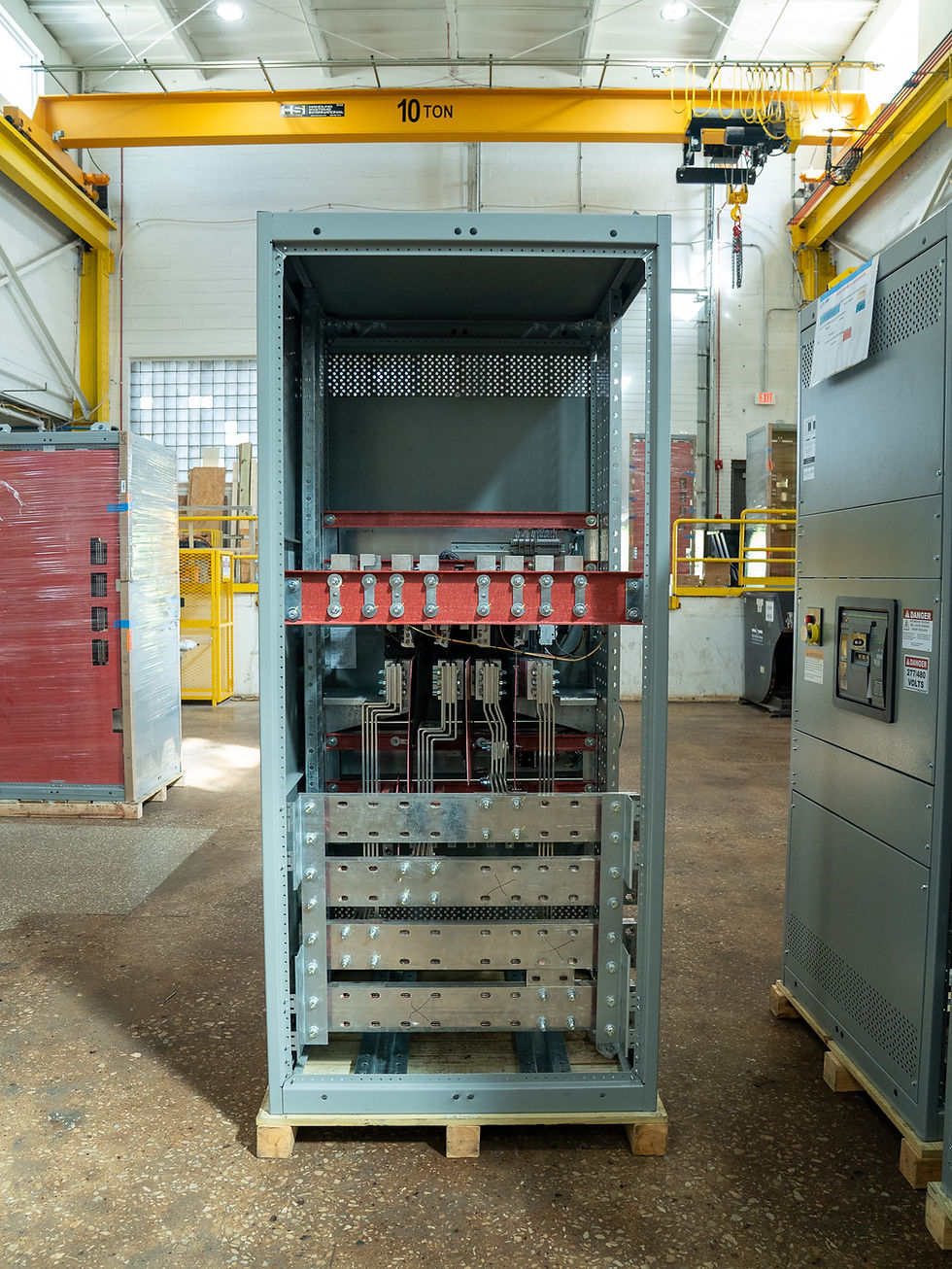
Switchgear is a critical element of any facility’s electrical infrastructure. Consisting of fuses, switches, conductors, and more, switchgear is essential for regulating and isolating current. Because of the impact it can have on the performance and safety of an industrial facility, it’s extremely important to make sure switchgear functions as it should.
Testing and verification must be performed on a regular basis to make sure switchgear is in good condition and offers the level of performance facilities need. However, many industrial facilities managers and electrical engineers may have the same question: How often should switchgear be tested?
This is an important question, as testing intervals can influence the reliability and performance of this equipment. If tests are too far apart, there is a greater chance that small issues can go unnoticed and develop into more-serious problems that result in downtime. On the other hand, testing too often means engineers’ time and other precious resources may be tied up and other areas of the infrastructure may suffer as a result. Although there is no one definitive answer as to when to test switchgear, there are some guidelines industrial companies can follow to find the right rhythm for their needs. Additionally, choosing to prefabricate switchgear prior to installation also provides additional peace of mind when it comes to the consistency and dependability of this equipment.
What Goes Into Switchgear Testing?
The process of testing electrical switchgear involves numerous steps, which is not surprising given how complex and important this electrical equipment is. Some of the most common elements of switchgear testing include:
Checking grounding systems
Insulation resistance testing
Verifying the condition of enclosures
Thermal imaging to check for overheating
Inspecting control wiring
Exercising and inspecting circuit breakers
Examining ventilation systems
Verifying meter and instrumentation accuracy
Reviewing switchgear maintenance activity logs
A combination of visual inspection and electrical testing is necessary to ensure all potential problems with switchgear are identified. This provides maintenance teams with as much information as possible so they can improve the performance and reliability of the equipment.
Determining the Frequency of Switchgear Testing
Technicians should always refer to the manufacturer’s documentation when trying to determine how often switchgear should be tested and serviced. In some cases, the recommended testing interval may be twice a year, and in other cases once every three to five years. Beyond that, however, there is no singular answer that fits all switchgear, and the proper testing cadence will come down to a variety of unique factors that depend on the facility, the equipment’s usage, the environmental conditions in which it has been installed, and more.
Some of the most critical factors in determining the frequency of testing for switchgear include:
Equipment Criticality: The more important the switchgear in question is to the overall performance and effectiveness of the industrial process, the more frequently it should be tested, by and large. In addition, any switchgear that plays a critical role in emergency or safety systems should be prioritized.
Age and Condition: As switchgear ages, it may need to be tested and serviced more frequently than in the past. This is because of natural wear and tear that can cause components to deteriorate.
Environmental Conditions: If the equipment has been installed in an environment where it is exposed to extreme temperatures or humidity, it’s recommended to inspect and test it more often to catch any signs of degradation.
Load and Duty Cycles: Some switchgear experiences heavier loads and shorter duty cycles than other installations, which means it should be checked more often.
Failure History: If a certain switchgear installation has a known history of failure or requires more-frequent maintenance, this would make it a good candidate for more-frequent testing to verify its reliability.
Maintenance Needs: Switchgear equipment that requires more maintenance than the rest should be tested more often, as a rule.
Why Switchgear Testing Can’t Be Skipped
Regular switchgear testing performed on an optimized schedule is essential for numerous reasons, including:
Preventing Damage: Worn-out components can fail, causing severe damage to switchgear and the equipment to which it is connected.
Ensuring Safety: If equipment fails due to faulty switchgear, it can create a potentially dangerous situation for nearby workers.
Optimizing Performance: Allowing switchgear to fall even slightly out of spec can impact the performance of equipment, leading to inefficiencies, expensive emergency repairs, and problems with production.
How Prefabrication Ensures Switchgear Reliability
Prefabricating switchgear means building and assembling it in a controlled factory environment. This means there is little chance the components will be affected by conditions on the jobsite, ensuring consistency and reliability in the equipment. With fewer failures, the result is that prefabricated switchgear may not need to be tested as frequently as installations that were fabricated on-site.
Choose DuFab for Prefabricated Switchgear and More
DuFab is a leading manufacturer of prefabricated electrical infrastructure, including switchgear, e-houses, modular data centers, and more. Thanks to our extensive experience and facilities, we can deliver prefab electrical components that help keep industrial projects on track and within budget.
By building this equipment in our factory instead of fabricating it on-site, we can ensure that every element we provide has been manufactured to the same high standards of quality before they are installed. We test and verify each product thoroughly prior to delivery, giving our customers peace of mind. Our team of experts works closely with clients to ensure that whatever we do for them will meet their exacting standards and specifications no matter what they might be.
If you’re ready to learn more about what makes us the leaders in prefabrication for power systems, take the next step and contact us. Our team is ready and willing to discuss your next project with you and everything we can do to make it successful.


Comments