

What is Electrical Commissioning?

Industrial facilities come with a huge amount of electrical infrastructure that is needed to keep all equipment and systems running as smoothly and effectively as possible. From the largest distribution panels to the smallest cable assemblies, every element of a facility’s electrical systems must work as expected to verify the systems’ performance, reliability, safety, and compliance of its operations. This makes the process of electrical commissioning essential for the success of any industrial installation.
Commissioning is far more than flipping a switch on and off to make sure electrical systems work. At its most basic level, commissioning is the process undertaken by engineers to ensure electrical equipment and power systems are properly installed, operating as they should, safe to operate, and documented. Engineers take a structured approach to the process that follows strict guidelines and provides full documentation.
With properly established protocols and experienced engineers, the commissioning process provides facility owners and operators with critical peace of mind. Far from a formality, it’s an essential element of any new installation, upgrade, or expansion project involving electrical infrastructure. This is another area in which prefabricated electrical assemblies and equipment can bring significant value to an industrial project, as modular solutions can help streamline the commissioning process and help keep projects on schedule.
The Stages of Electrical Commissioning
Proper electrical commissioning follows a stringent process that ensures no aspect of the job goes overlooked. A successful electrical commissioning process should consist of these stages:
1. Assessment and Planning
To begin the commissioning process, the commissioning team reviews all schematics and diagrams for the systems in question. The team typically consists of engineers, electrical contractors, subcontractors, and personnel involved in building maintenance. The initial assessment provides this team with a full understanding of how power flows through the systems, how they integrate with other elements, and which aspects of the system need to be tested and verified. From there, the agent has a baseline expectation of what will be found during the inspection and functional testing process to ensure everything has been installed to spec and is working as intended.
2. Testing
With the understanding of the systems as laid out in the assessment, the commissioning team moves on to electrical testing. This is broken down into three phases: pre-energization, energization, and post-energization. During the pre-energization testing, the team checks to make sure circuits, transfer switches, and other components are mounted as specified in the schematics and set in the “off” position. Next, the team energizes the system to make sure all elements are functioning properly, including circuits and sensors. This involves using diagnostic tools to measure the flow of current through components. Finally, post-energization testing checks to make sure lock-out equipment works as it should and switches are all in the proper positions and deactivate when everything is de-energized.
3. Safety Protocol Verification
Next, teams focus on verifying that all relevant safety protocols are in place and will serve the intended purpose to protect employees from potentially hazardous situations. This includes making sure panels and circuit breakers have the proper amount of clearance around them for employees to work safely, as well as checking that the lighting and environmental conditions around electrical rooms are adequate. Another important aspect of this stage is verifying whether safety labels and warning signs are posted in the right places and readily visible for anyone working in the area.
4. Documentation and Handover
The final phase of the electrical commissioning process is gathering all the documentation created during the inspections and testing. This will create the foundation for any plans for correcting issues discovered during commissioning. The documents used during this portion of the work typically include the schematics and diagrams from the assessment phase, as well as reported generated during functional performance testing. As soon as all elements of the system are found to be in good working order, the final stage is handover to the facility owner or operator.
The Role of the Commissioning Agent
Leading all these efforts is the commissioning agent, who should be someone with prior experience working on electrical systems. This individual will be the point person for the entire commissioning team, facilitating communication between its members and ensuring the process goes as smoothly as possible. Other responsibilities of the commissioning agent include determining the facility’s overall electrical requirements and reviewing the architectural designs for electrical installations. The commissioning agent also works closely with electrical engineers to ensure that any electrical components are properly reflected in the facility’s Basis of Design.
Why Electrical Commissioning Matters
Whether performed during the construction of a new project or after an upgrade or expansion to a facility, electrical commissioning is an essential step for numerous reasons. Some of the most important reasons why this process matters include:
Regulatory Requirements: Certain industry standards, such as NFPA 70B, require facilities to perform proper verification of their electrical systems and document it for compliance.
Safety: Ensuring electrical systems are properly installed and in good working order not only means facilities meet regulations, but also provide a safer working environment for employees.
System Lifespan: With system testing and inspections, facilities can prevent conditions that can lead to premature wear on vital components, keeping equipment online and in service for as long as possible.
Design Verification: Systems are not always built or installed to spec, and commissioning is vital for making sure they meet all requirements.
Operational Readiness: Proper commissioning means equipment can be verified to meet required specifications, meaning there will be less chance of unexpected downtime that can hurt productivity.
How Prefabrication Streamlines Electrical Commissioning
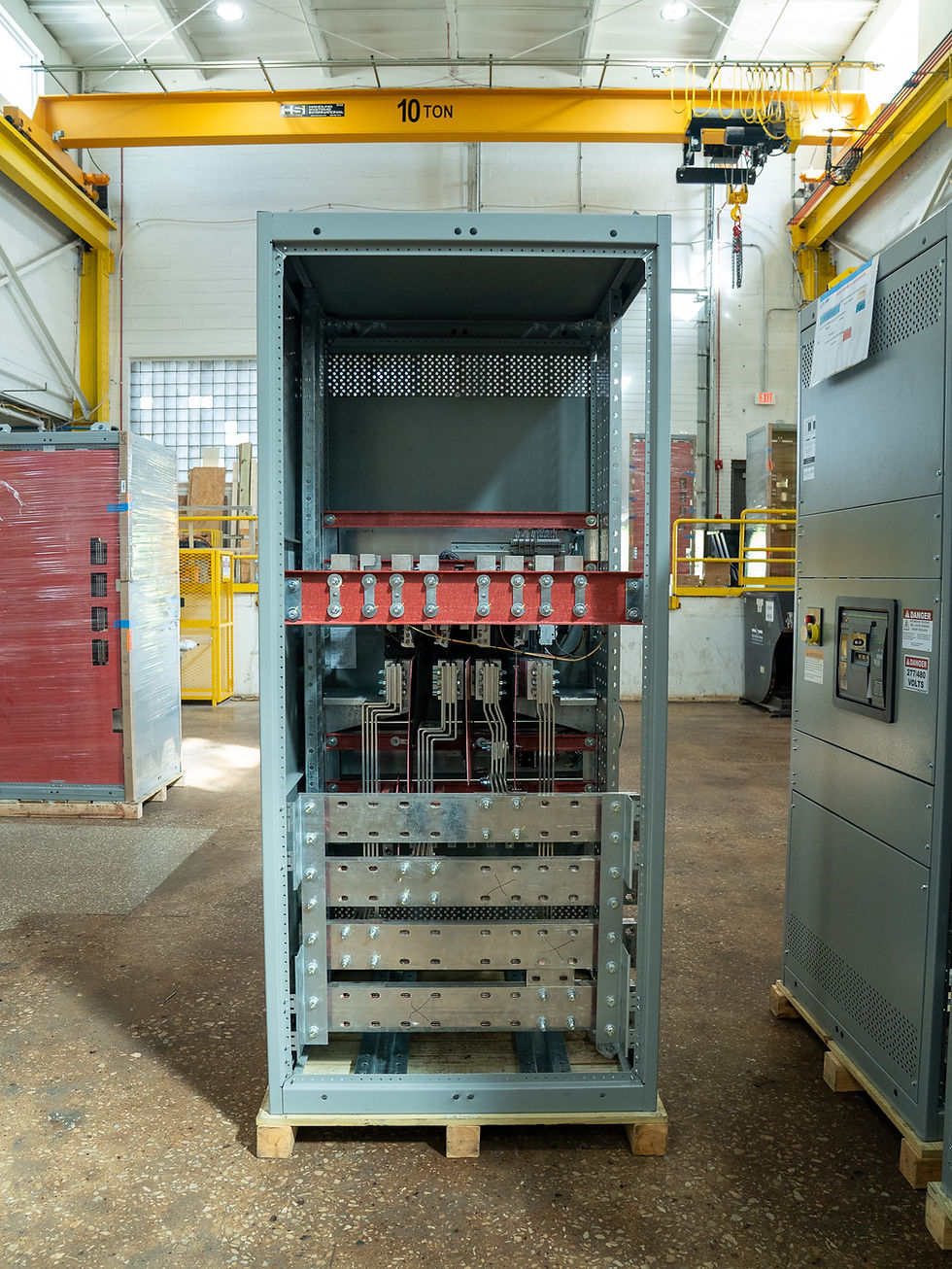
Choosing prefabricated electrical systems can help make the commissioning process much smoother, faster, and more efficient. When elements are built in controlled environments, they can be tested and verified in the factory. This means teams don’t have to wait for the components to arrive at the facility before they are tested or inspected. Instead, they can move right into installation and final checks without having to test every element on its own.
Electrical prefabrication partners can ship testing records alongside these prefab elements, as well. This ensures facilities already have the necessary documentation in hand and can keep the work moving as quickly as possible.
Choose DuFab for Prefabricated Electrical Systems
DuFab is a leading provider of prefabricated electrical solutions, including modular e-houses, data centers, and more. Our commitment to quality means customers can have confidence that the elements they receive at their sites have been thoroughly inspected, tested, and verified prior to installation, supporting their commissioning efforts.
Because they are manufactured in a controlled factory environment, our prefabricated solutions help keep projects on track. There’s no need to worry about weather, site conditions, or delays in other areas of the work from impacting delivery of these systems. We also help keep jobsites from becoming cramped and cluttered, ensuring a fast, efficient project that remains on schedule and within its budget. Prefabrication cuts down on waste, speeds project timelines, ensures greater quality control, and reduces risk. To learn more about how DuFab can partner with you on your next electrical project, reach out and speak with a member of our dedicated team today.

Comments