

Exploring Electrical Prefabrication Ideas
As the old saying goes, “you can have it done fast, or you can have it done right.” But it’s worth noting that this is indeed an old saying, and today it is possible to have something done right as well as done fast. Take, for example, electrical prefabrication for industrial construction projects. By prefabricating elements such as e-houses, data centers and others, builders can streamline project timelines as they also enhance jobsite safety and the quality of the resulting facility. Through prefabrication, these and many other modular construction components can arrive on the jobsite built to exacting specifications and ready to install. It all adds up to projects that are completed faster and with no compromises.

What is Electrical Prefabrication?
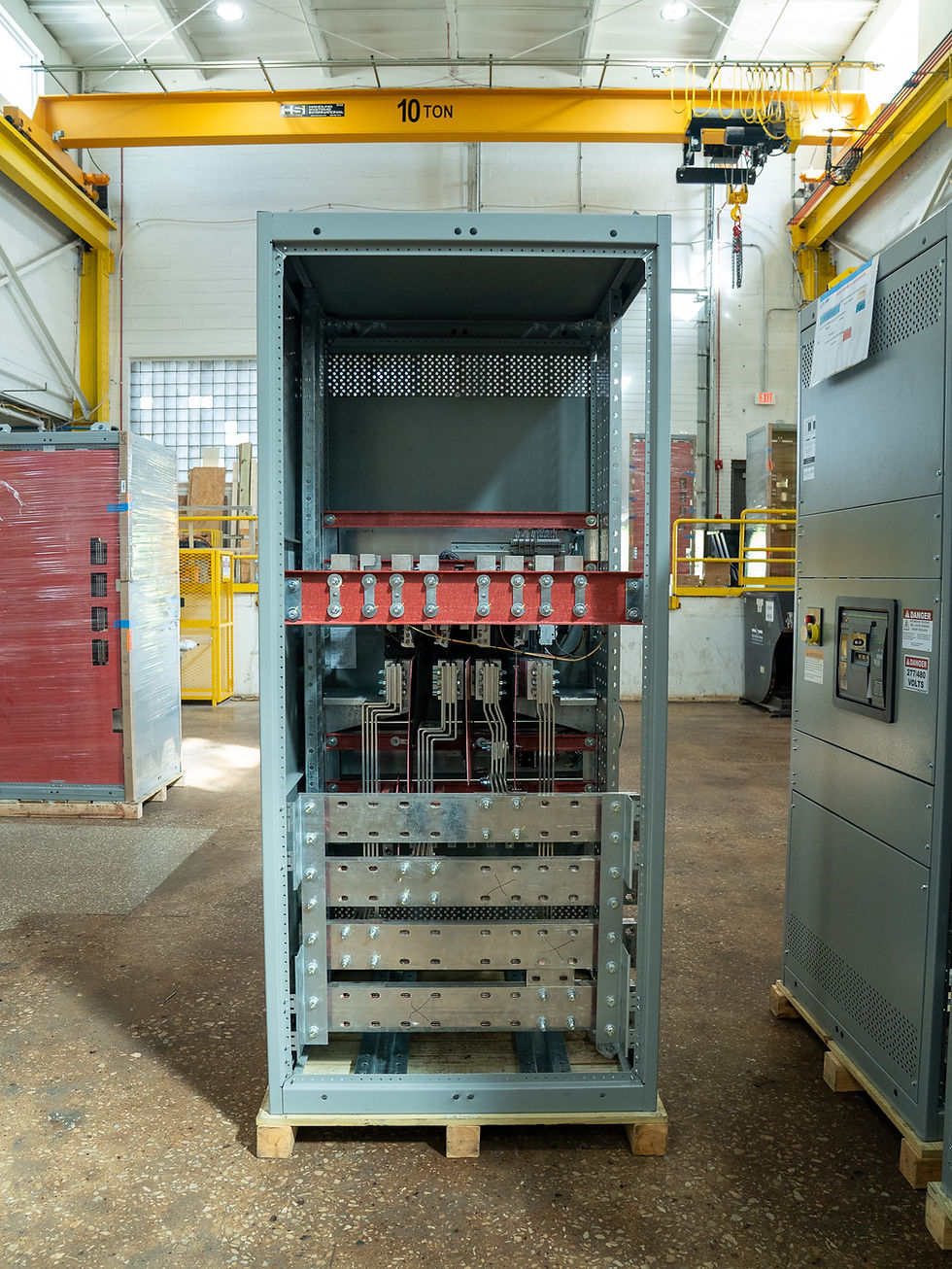
Prefabricating electrical components and systems means building these elements in a controlled factory environment. This stands in contrast to the traditional methods, which involved fabricating on-site. The components are built and tested within the factory, then crated and shipped directly to the construction site where they are installed by crews.
Benefits of Electrical Prefabrication
By choosing to fabricate electrical systems off-site and installing them after they are shipped to where the project is being built, contractors and property owners can bring a wide range of benefits to their work. Chief among the advantages of the prefabrication process are:
Higher quality: Because the components are assembled in a controlled environment rather than on the jobsite, quality control is much higher with prefabrication. The elements being built are not subjected to the variable conditions and compromises typical of most construction sites.
Faster completion: With electrical assemblies and components that arrive on the site fully completed, inspected and tested, contractors can just install them where they need to go and move on to the next task. Electrical prefabrication saves builders a considerable amount of time and helps keep projects on schedule.
Improved safety: Working with electrical enclosures and other elements always requires care and discipline to ensure safety. However, fabricating these on the jobsite introduces an added element of risk that prefabrication avoids.
Less congestion: Electrical prefabrication keeps jobsites from becoming overcrowded and inefficient. Because electrical components are fabricated off-site, there’s no need for electrical contractors to be on the site until it’s time for installation and commissioning.
Stronger coordination: Another advantage electrical prefabrication provides is facilitating better communication between tradespeople on the project. With components being built ahead of time off-site, there’s more time for stakeholders to review the designs and make sure everyone understands what’s being done.
Where Electrical Prefabrication is Going
As the practice becomes more commonplace across industrial construction, electrical prefabrication continues to evolve. Some of the most exciting recent developments that are guiding the future of prefabrication include:
3-D printing and additive manufacturing: With advancements in 3-D printing technology, it’s easier than ever for fabricators to create unique and complex electrical assembly components. This means they can create customized elements easily and with minimal delay.
Building Information Modeling (BIM): BIM software enables all stakeholders to see a fully realized 3-D model of the project before any actual work is done. This makes it much easier for electricians to guide electrical prefabrication activities because they can know exactly how their work will fit into the new space before that space even exists.
Sustainability initiatives: As contractors continue to look for ways to reduce waste in their activities, electrical prefabrication offers a solution. The process helps them meet their sustainability goals by improving efficiency and cutting down on wasted effort and materials.
Smart building technology: Smart factories and other facilities connected through the Industrial Internet of Things integrate machine sensors and other technologies to enhance automation. Prefabrication makes it much easier to implement these smart technologies in prefabricated assemblies at the onset and ensure they’re communicating as effectively and efficiently as possible.
Choose DuFab for Electrical Prefabrication Expertise
Electrical prefabrication solves a lot of the most common problems associated with industrial construction, enabling jobs to be done fast as well as right. As one of the leading electrical prefabrication companies, DuFab is here to provide expertise in modular e-houses, data centers and other prefabricated components and systems. To learn more about our full range of electrical construction capabilities and how they can be of service for your next project, reach out and speak with one of our representatives today.


Comments