

Mastering Injection Testing for Circuit Breakers: A Comprehensive Guide

In a industrial electrical system, a circuit breaker has one job: react quickly and correctly when something goes wrong. Injection testing is how you make sure it actually does. Rather than relying on settings alone, injection testing puts a breaker through real-world scenarios in a controlled way.
It offers clear confirmation that protective devices are working as intended. In facilities where reliability, safety and compliance all matter, injection testing plays a direct role in keeping systems running and protecting workers from harm.
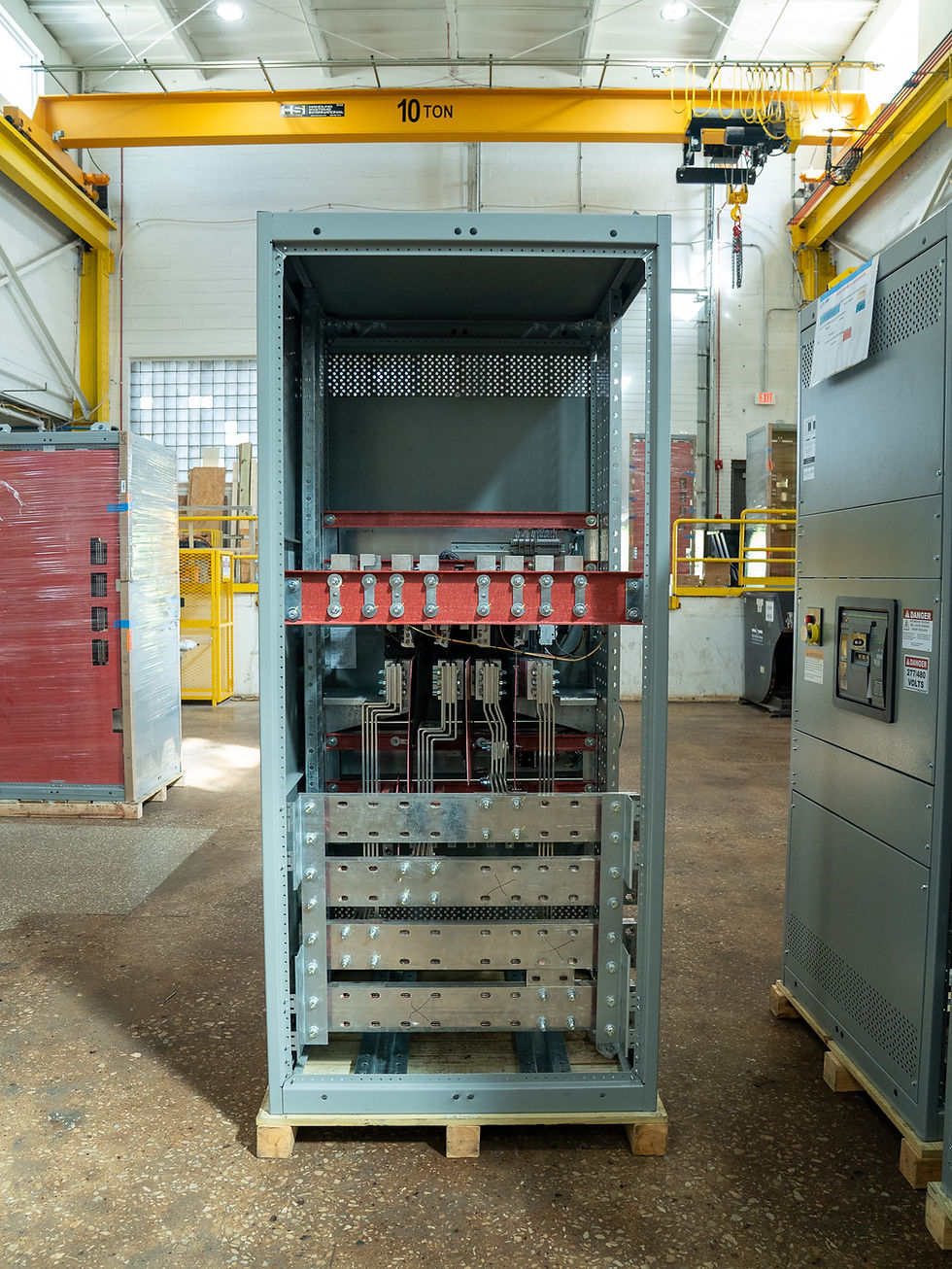
At DuFab Manufacturing, circuit breakers are among the critical components housed inside the prefabricated electrical rooms and E-houses we build for industrial facilities. Knowing how they are tested and verified is central to why we build to such exacting standards.
Introduction to Injection Testing for Circuit Breakers
Injection testing is a method used to simulate fault conditions and observe how a circuit reacts. Introducing controlled current into the system means technicians can verify that the breaker trips at the correct level and within the expected time.
This process helps prevent unexpected failures and supports proactive circuit breaker maintenance, identifying common issues — such as incorrect settings, wiring problems and degraded components — before they cause outages or safety incidents.
Compared to other electrical testing methods, it focuses on behavior, not just condition. While insulation or continuity tests confirm a breaker is intact, injection testing confirms it will actually operate as intended during a fault.
That distinction makes it especially valuable for electrical system diagnostics and protective relay testing in commercial environments.
Step-by-Step Guide on Performing Injection Testing
A successful injection test starts long before applying any current. Preparation, method selection and documentation are factors that contribute to reliable results and a safer testing process.
A typical workflow includes:
Reviewing one-line diagrams and breaker ratings, along with manufacturer specifications
Inspecting the circuit breaker and associated components
Choosing the appropriate method, such as primary injection testing or secondary injection testing
Connecting injection testing equipment and verifying test leads
Applying test current and observing trip behavior
Recording trip times and current levels, along with breaker response
Restoring the breaker to service and documenting results
For facilities using prefabricated electrical rooms, having circuit breakers pre-inspected and verified in a controlled shop environment before reaching the jobsite reduces the risk of discovering faults during commissioning, when corrections are far more costly and time-consuming.
A primary injection test sends current through the breaker’s primary path, closely replicating actual fault conditions. It’s commonly used for low-voltage power breakers where verifying thermal and magnetic operation is needed.
A secondary injection test targets the control circuitry and trip unit. This approach allows technicians to verify key factors — logic, coordination and relay performance — without subjecting primary conductors to high current.
Key Equipment Required for Injection Testing
Injection testing’s effectiveness depends heavily on the equipment used. In commercial facilities, testing tools need to deliver accurate results while meeting strict safety and performance standards.
Primary current injection testing requires high-current injection sets capable of producing fault-level currents. Using timing instruments and calibrated measurement devices alongside these sets helps ensure precise readings.
Secondary injection testing equipment emphasizes accuracy and control. These tools are designed to simulate signals at the relay or trip unit level, making them ideal for commissioning or troubleshooting and routine testing.
Regardless of method, professionals should properly maintain and calibrate all testing equipment, while also making sure it’s compliant with applicable electrical testing standards.
Best Practices and Safety Precautions in Injection Testing
Since injection testing circuit breakers introduces real electrical energy into the system, safety needs to remain a constant priority. Consistent procedures help protect both personnel and equipment.
Lockout/tagout practices, appropriate PPE and verified connections are all essential before testing begins. Clear communication among team members further reduces risk during testing activities.
Accurate documentation also supports safe operations. Detailed records make future testing more efficient and provide valuable insight into circuit breaker performance trends over time.
Common Challenges and Troubleshooting Tips
Even with proper planning, injection testing can reveal unexpected results. Breakers may trip too slowly, too quickly or not at all.
These issues are often tied to a few underlying causes: incorrect settings, wiring errors and aging internal components. A systematic troubleshooting approach that involves checking configurations, verifying connections and retesting usually helps isolate the problem.
When challenges persist, circuit breaker testing services and manufacturer resources can provide additional expertise, especially for complex systems or critical infrastructure.
Understanding Standards and Compliance Requirements
Injection testing is closely tied to industry standards and compliance requirements that guide testing performance and documentation.
Following recognized electrical testing standards helps ensure consistency and safety, along with defensibility, during inspections or audits. Certification also demonstrates that testing aligns with accepted best practices.
Compliance-focused injection testing typically involves:
Adhering to circuit breaker standards and manufacturer guidance
Maintaining complete and accurate test documentation
Using certified, calibrated testing equipment
Ensuring technicians meet circuit breaker testing certification requirements
Meeting these expectations reinforces electrical safety testing programs and supports long-term system reliability.
Building Confidence Through Proper Injection Testing
Injection testing plays a direct role in maintaining safe, efficient electrical systems. Validating how circuit breakers respond under simulated fault conditions helps professionals reduce uncertainty and strengthen system protection.
As standards and technologies continue to evolve, staying informed is just as important as the testing itself. Ongoing training and updated equipment help ensure testing remains effective and compliant.
Mastering injection testing for circuit breakers ultimately builds confidence in the system and the professionals responsible for keeping commercial power systems running reliably. For industrial facilities and contractors, that confidence starts earlier than the jobsite. DuFab Manufacturing builds prefabricated electrical rooms and E-houses designed to house circuit breakers and other critical components to exact specifications, so systems arrive ready to perform from day one.
Ready to build smarter on your next project? Contact DuFab Manufacturing to learn how our prefabricated electrical rooms and E-houses are built with reliability and jobsite-ready quality in mind.


Comments