

What Are Wiring Devices? A Comprehensive Guide

Introduction to Wiring Devices
In commercial and industrial facilities, wiring devices connect equipment and systems to the broader electrical wiring infrastructure. They serve as termination points and control interfaces within a wiring system, allowing power to be distributed and controlled throughout a building.
What are wiring devices in practical terms? They’re installed electrical devices that create secure connections between key areas: branch circuits, equipment and distribution systems. No matter what they do – control equipment, connect machinery to power and isolate circuits for maintenance – these components help keep electrical systems organized and serviceable.
In industrial and prefabricated electrical installations, electrical wiring devices also help standardize how equipment connects to the system. When properly selected and installed, they improve reliability and support safe power distribution across complex facilities.
Understanding Wiring Systems
To understand the role of wiring devices, it helps to look at the larger wiring system they operate within.
A typical industrial wiring system includes:
Electrical wire
Cable assemblies
Conduit or raceways
Distribution panels
Circuit protection equipment
Wiring devices are installed at key points within this structure, providing controlled connection points between circuits and equipment.
Rather than making direct splices within electrical wiring, devices provide structured interfaces that make systems easier to install and maintain or troubleshoot. For example, a receptacle allows equipment to connect to power without modifying the underlying wiring, while a disconnect switch allows technicians to safely isolate equipment during servicing.
When engineers and electricians select wiring devices, they typically consider certain factors: electrical load requirements, environmental conditions and compatibility with the overall circuit design.
Types of Wiring Devices and Their Applications
Each type of wiring device used in commercial and industrial electrical systems serves a different role: controlling power, connecting equipment and protecting circuits.
Common examples include:
Switches: Control electrical loads, such as lighting systems, motors and control circuits
Outlets and receptacles: Provide the connection point where equipment connects to electrical wiring
Circuit breakers: Interrupt electricity during overloads or faults to protect circuits
Disconnect switches: Allow equipment to be safely isolated from power during maintenance
Energy management devices: Occupancy sensors, programmable controls, dimmers and similar components that help manage power use
These electrical wiring devices form the control layer of an electrical distribution system.
Electrical Projects: Installing and Upgrading Wiring Devices
Installing or upgrading wiring devices is a common part of electrical construction and facility maintenance. Even in large industrial systems, these tasks follow a straightforward process.
First, electricians deenergize the circuit and verify that it’s safe to work on. Then, they prepare the electrical wire connections and mount the device inside an enclosure, such as a box or panel. They connect the wiring according to the circuit design and test the system to confirm the electrical connection works properly.
During upgrades or retrofits, electricians may encounter issues with existing electrical wiring. Some common problems include:
Loose or damaged electrical wire connections
Worn insulation or aging components
Wiring devices that no longer meet current electrical codes
Improper grounding from earlier installations
Correcting these issues during upgrades improves the reliability of the wiring system.
Electrical Safety and Compliance
Electrical safety is a must when working with electrical wiring devices. Since these components serve as connection points within the system, improper installation or damaged devices can create serious hazards.
Electrical codes and industry standards define how wiring devices must be rated, installed, maintained and repaired. These guidelines help ensure that electrical wiring systems operate safely and consistently.
Businesses and facility managers typically focus on several key practices to maintain compliance:
Using wiring devices rated for the proper voltage and load
Following approved installation practices for electrical wiring
Ensuring proper grounding and bonding throughout the system
Conducting regular inspections of electrical devices and connections
These practices help prevent electrical faults and improve overall system safety.
Advanced Wiring Solutions for Energy Management
As facilities adopt more advanced electrical infrastructure, wiring devices are increasingly integrated into energy management strategies.
Modern electrical devices can perform several tasks – monitor power use, automate equipment operation and improve efficiency across the wiring system. Smart switches, programmable lighting controls, monitoring devices and similar wiring devices allow facility managers to better understand how electricity is used across a building.
When integrated into a well-designed electrical wiring system, these devices can help reduce energy waste while maintaining reliable power distribution.
Choosing the Right Wiring Devices for Commercial and Industrial Settings
Selecting the right wiring devices for commercial and industrial projects comes down to several key system considerations. Engineers and electricians need to ensure that each device functions properly within the overall circuit design and operating environment.
Several factors typically influence device selection:
Electrical load requirements
Environmental exposure (heat, dust, moisture)
Durability and mechanical protection
Compatibility with the facility’s power distribution system
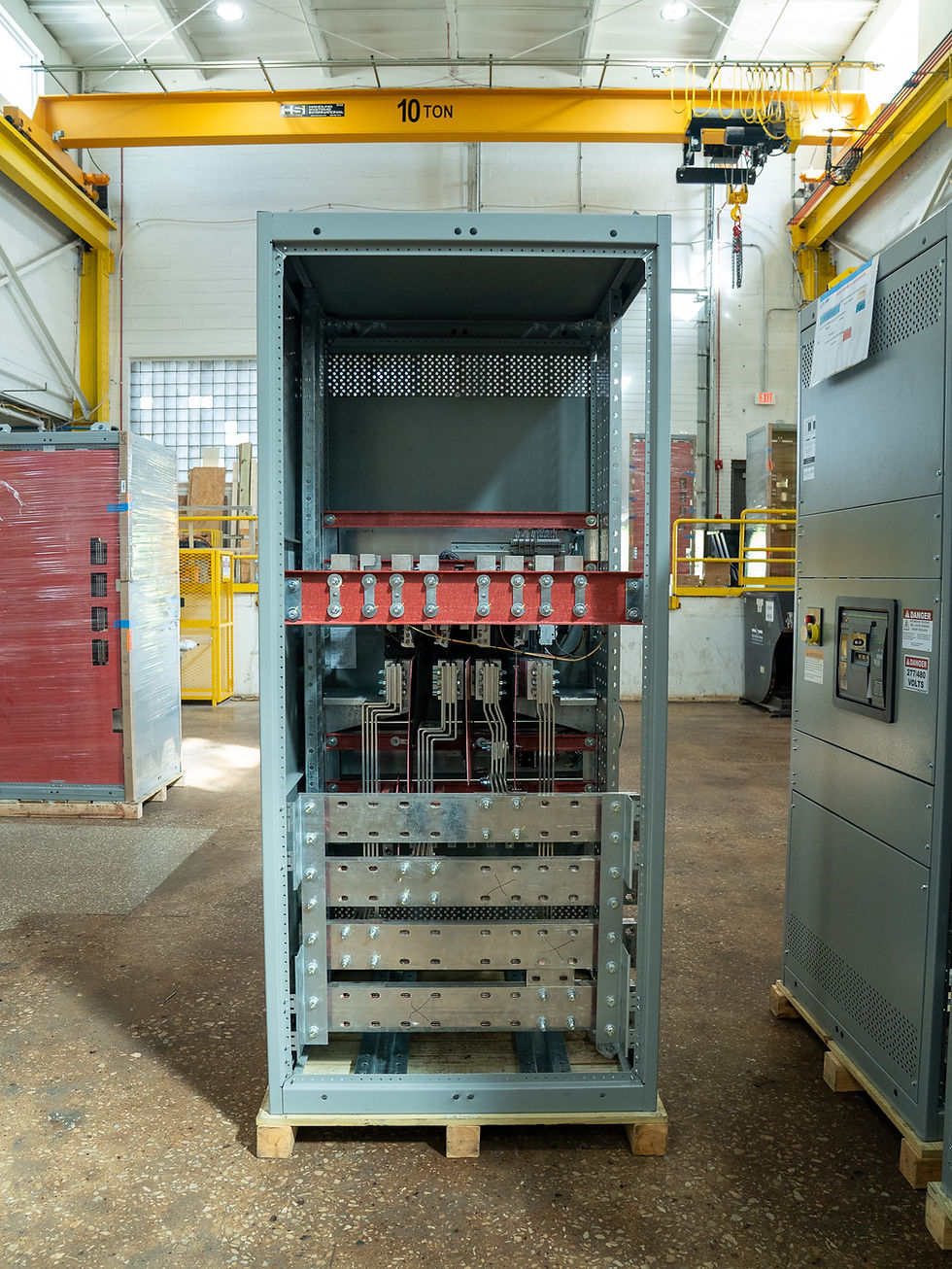
For large construction projects, electrical prefabrication can improve efficiency by assembling sections of the electrical wiring system off-site before they are installed in the field.
DuFab supports commercial and industrial projects with electrical prefabrication services, including modular wiring systems. Our solutions help contractors streamline installation and reduce field labor, while maintaining consistent electrical connections across complex wiring systems.


Comments